
What we do
Consultancy
Bespoke consultancy for AI & VR powered software solutions for all industries
Machine learning algorithms and techniques
- AIVRSOFT provides consultancy in the implementation of several machine learning algorithms and techniques.
- One such algorithm is the recommendation algorithm, which uses a collaborative filtering approach to generate personalised recommendations based on user input and preferences.
- Another algorithm is the clustering algorithm, which are used to group similar elements and create customised templates for users.
- NLP techniques, which are required to enable the software to understand and interpret user input in a conversational manner.
- Computer vision techniques that are used to analyse and classify images of elements, which can then be used to create realistic 3D renderings.
- These algorithms and techniques are combined and integrated into a comprehensive AI system that can effectively generate customised options and visualisations in real-time.
Natural language processing and recommendation systems
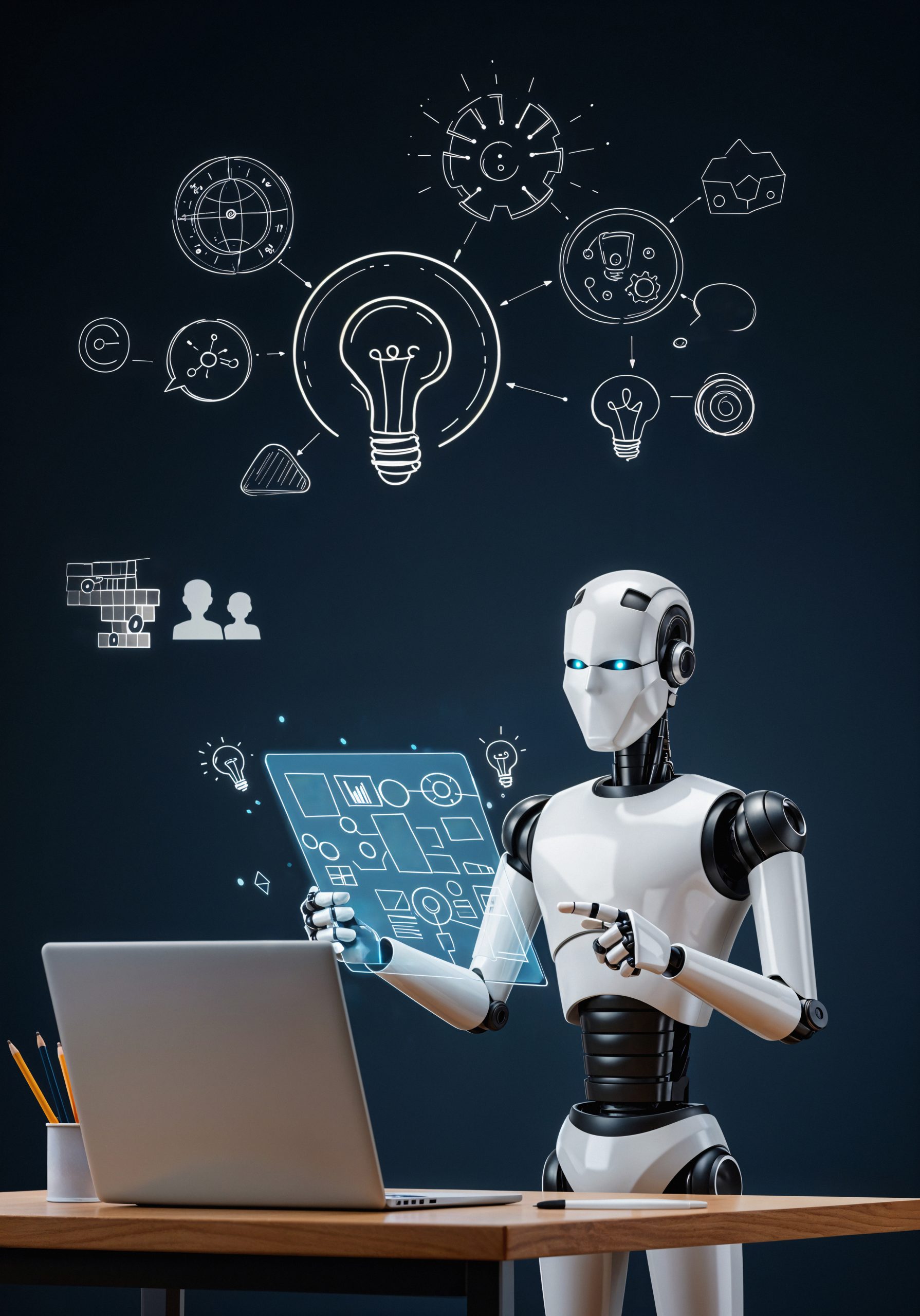
Natural language processing (NLP) is a subfield of AI that enables machines to understand, interpret, and generate human language. NLP techniques are used to understand user input in natural language, enabling users to communicate their design preferences in a conversational manner. NLP algorithms such as named entity recognition (NER) and sentiment analysis are used to extract relevant information from user input and determine their preferences and intent.
The recommendation systems in bespoke AI-powered software utilises collaborative filtering algorithms to generate bespoke recommendations for users.
Collaborative filtering involves analysing user preferences and behavior to recommend similar items or elements that other users with similar preferences have chosen.
The recommendation systems in bespoke AI-powered software utilises collaborative filtering algorithms to generate bespoke recommendations for users.
Collaborative filtering involves analysing user preferences and behavior to recommend similar items or elements that other users with similar preferences have chosen.

Image and data processing
Image and data processing are critical components of the AI-powered software technology. The technology relies heavily on image processing techniques to analyse and classify images of elements and objects, which are then used to create realistic 3D renderings.
Systems use sophisticated computer vision algorithms that can accurately identify and classify different objects and materials in images.
Data processing is also a crucial aspect. Systems need to be able to store and process large amounts of data, including user input, preferences, and elements. Software needs to be capable of processing data in real-time, to enable users to receive specific recommendations and visualisations quickly. Capable systems should be able to handle data from multiple sources, including user input, image data, and metadata.
To process data efficiently, technology is leveraged by utilising several techniques such as data mining, data cleaning, and data modeling. Data mining techniques are used to extract patterns and insights from the data, which is then be used to generate recommendations.
Data cleaning techniques help to eliminate inconsistencies and errors in the data, ensuring that systems can process and analyse accurate data. Data modeling techniques are used to create predictive models that are then in turn used to anticipate user preferences and generate options in real-time.
Augmented reality and virtual reality technologies
Advanced systems should incorporate both augmented and virtual reality to provide users with an immersive and realistic experience. Augmented reality (AR) involves overlaying digital information and graphics onto real-world images or videos, while virtual reality (VR) creates a completely digital environment that simulates a real-world experience.
AIVRSOFT recommends systems capability to include exploiting the existing iOS and Android AR / VR API interfaces integrated with its own customised advanced computer vision and graphics processing algorithms. Computer vision algorithms are used to track real-world objects and surfaces, enabling the system to accurately superimpose virtual elements onto the user’s workspace. Graphics processing techniques such as rendering and shading are then used to create high-quality, realistic 3D models.
Integration with other technologies and platforms
AIVRSOFT consults on Technology designed not just as an app but a platform that offers integration using its own REST APIs* with various other technologies and platforms in order to operate effectively. For example, it is possible to integrate VACDA with social media platforms to access user data.
Systems use sophisticated computer vision algorithms that can accurately identify and classify different objects and materials in images.
Data processing is also a crucial aspect. Systems need to be able to store and process large amounts of data, including user input, preferences, and elements. Software needs to be capable of processing data in real-time, to enable users to receive specific recommendations and visualisations quickly. Capable systems should be able to handle data from multiple sources, including user input, image data, and metadata.
To process data efficiently, technology is leveraged by utilising several techniques such as data mining, data cleaning, and data modeling. Data mining techniques are used to extract patterns and insights from the data, which is then be used to generate recommendations.
Data cleaning techniques help to eliminate inconsistencies and errors in the data, ensuring that systems can process and analyse accurate data. Data modeling techniques are used to create predictive models that are then in turn used to anticipate user preferences and generate options in real-time.
Augmented reality and virtual reality technologies
Advanced systems should incorporate both augmented and virtual reality to provide users with an immersive and realistic experience. Augmented reality (AR) involves overlaying digital information and graphics onto real-world images or videos, while virtual reality (VR) creates a completely digital environment that simulates a real-world experience.
AIVRSOFT recommends systems capability to include exploiting the existing iOS and Android AR / VR API interfaces integrated with its own customised advanced computer vision and graphics processing algorithms. Computer vision algorithms are used to track real-world objects and surfaces, enabling the system to accurately superimpose virtual elements onto the user’s workspace. Graphics processing techniques such as rendering and shading are then used to create high-quality, realistic 3D models.
Integration with other technologies and platforms
AIVRSOFT consults on Technology designed not just as an app but a platform that offers integration using its own REST APIs* with various other technologies and platforms in order to operate effectively. For example, it is possible to integrate VACDA with social media platforms to access user data.
Core Services
Virtual Reality Services
We create immersive digital environments, from virtual product showrooms and guided tours to realistic training simulations and remote telepresence experiences.
Virtual Tours
Digital walkthroughs of real or virtual locations.
VR Training
Simulating real-world scenarios for hands-on skill practice.
TelePresence
Creating a realistic sense of remote physical presence using VR/AR.
Video Mapping
Projecting video content onto complex surfaces, often in a virtual context.
3D Showroom
An interactive virtual space for displaying products.
VR Multimedia
The combined experience of various media within a VR environment.

Additional Parameters
AIVRSOFT Software is designed with the following additional parameters:
- User interface and interaction design
- Personalisation and customisation features
- Accessibility and usability considerations
Frequently Asked Questions
Multi-projected environments
Find answers to common questions about our AI and VR solutions. This section helps you understand how our platform works, what we offer, and how we can support your business needs.
We provide AI-powered solutions and immersive virtual reality experiences tailored to business needs, including automation, data intelligence, and interactive VR applications.
Our solutions are designed for businesses of all sizes across various industries, including education, healthcare, real estate, training, and technology.
Yes, all our AI and VR solutions are fully customizable to align with your specific goals, workflows, and technical requirements.
Some VR experiences require compatible VR headsets, while others can be accessed through desktop or mobile devices, depending on the solution.
Yes, our solutions are built to integrate smoothly with your existing software, tools, and workflows.
You can get started by contacting us through the website or requesting a quote, and our team will guide you through the next steps.
Why Choose Us?
Why Choose AIVRSOFT?
Experience the future of technology with our AI-powered VR solutions. We bring immersive, intelligent, and personalized virtual experiences that transform the way you interact with digital worlds.
- Innovative Technology – Cutting-edge VR integrated with smart AI.
- Personalized Experiences – Adaptive VR that responds to you.
- Expert Team – Skilled professionals in AI and VR development.
- Seamless Performance – Smooth, high-quality, and reliable experiences.
- Impactful Solutions – Transforming entertainment, education, and training.
Let’s Build Your AI & VR Strategy
Connect with our experts to explore practical AI and VR solutions and define a clear path forward.
Scroll to Top